Maine infant hospitalized with suspected botulism, case linked to recalled products
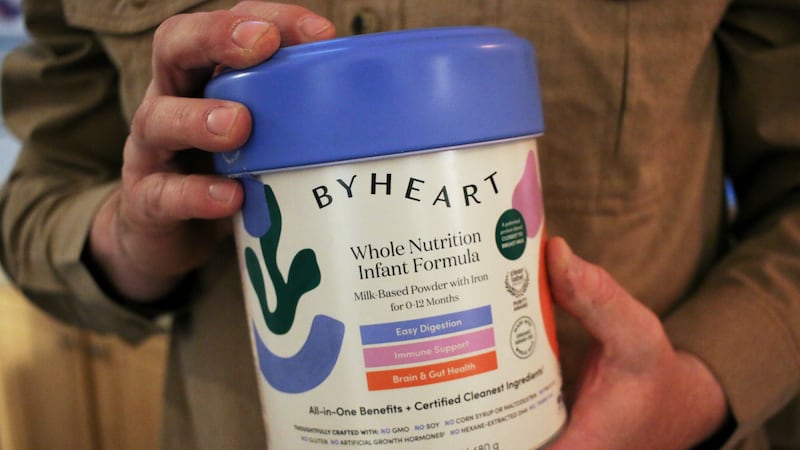
BANGOR, Maine (WABI) - The Maine CDC is reporting that a Maine child is in the hospital after consuming now-recalled baby formula products made by ByHeart.
On November 14, the FDA announced there have been 23 reported cases of suspected or confirmed botulism in babies who consumed the formula since August. The company recalled two lots of their ByHeart Whole Nutrition Infant Formula formula before expanding the recall to their entire line of products. Those reported cases span 13 states, including Pennsylvania, New Jersey and Rhode Island. All cases have led to hospitalizations
The suspected case in Maine was reported on November 17, according to the Maine CDC. The child had consumed ByHeart Whole Nutrition Infant Formula in the weeks prior to their illness and remains hospitalized. ByHeart sells 200,000 cans of infant formula a month online and in stores such as Target and Walmart.
The Maine CDC reminds parents to follow recall recommendations.
It can take up to 30 days for symptoms of infantile botulism to develop. If your baby has consumed any of the recalled products, watch for symptoms and seek medical care immediately if symptoms appear. Without treatment, infant botulism can lead to paralysis of the arms, legs, trunk, and muscles used for breathing and it can result in death. No deaths have been reported in relation to the outbreak.
Infant botulism occurs when a baby swallows spores from a type of bacteria called Clostridium botulinum, which leads to the bacteria multiplying and producing toxins in the infant’s large intestine. The earliest signs of illness may include:
- constipation,
- difficulty feeding (sucking and swallowing),
- a weak and/or altered cry,
- muscle weakness, which can progress to paralysis and difficulty breathing.
The CDC says you should wash items and surfaces that may have touched the formula using hot soapy water or a dishwasher.
Copyright 2025 WABI. All rights reserved.